
Unique Characteristics Driving Industry Growth
1. High Material Efficiency
Stand-up pouches use significantly less plastic or composite material than bottles, jars, or cans. This material efficiency lowers packaging weight, reduces shipping emissions, and often results in lower overall packaging costs. For companies managing high-volume production or long-distance distribution, this efficiency can translate into meaningful cost savings.
2. Strong Shelf Presence and Branding
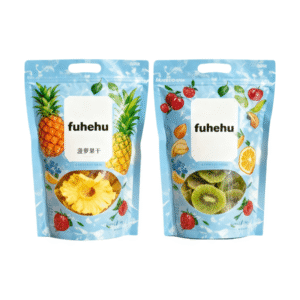
Despite their lightweight construction, stand-up pouches offer excellent shelf visibility. Their upright design, wide front and back panels, and customizable shapes provide ample space for branding and product information. Advanced printing techniques allow for vibrant graphics, tactile finishes, metallic effects, and transparent windows that help products stand out in crowded retail environments.
For potential customers, especially new or growing brands, this combination of shelf impact and flexibility can be a decisive advantage.
3. Functional Convenience Features
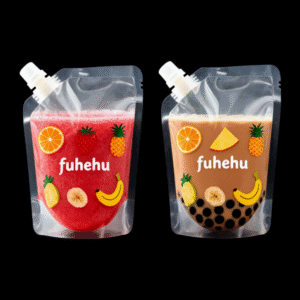
Modern stand-up pouches are engineered with consumer-friendly features such as resealable zippers, spouts, tear notches, and carry handles. These features enhance ease of use, support portion control, and improve product freshness after opening. In many categories, these functional elements are now standard expectations rather than premium options.

Performance and Product Protection
Beyond appearance and convenience, stand-up pouches are designed to meet demanding performance requirements. Multi-layer film structures can provide high barriers against oxygen, moisture, light, and odors, protecting sensitive products and extending shelf life.
For potential customers, this means stand-up pouches can be tailored to specific product needs. Dry foods may require moisture barriers, while liquids and sauces need strong seals and puncture resistance. Coffee and specialty powders often use pouches with degassing valves to maintain product quality.
Compatibility with filling and sealing equipment is also critical. Stand-up pouches can be designed for manual, semi-automatic, or high-speed automated filling lines, making them suitable for both small-scale producers and large industrial operations.
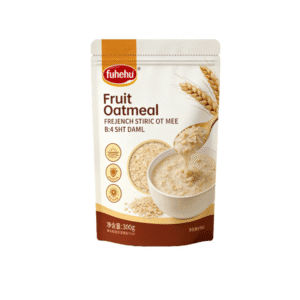
Sustainability and the Shift in Materials
Sustainability has become a central theme in the stand-up pouch industry. While traditional laminated structures offer excellent performance, they can be difficult to recycle. In response, manufacturers are investing heavily in recyclable mono-material pouches, downgauged films, and designs that reduce environmental impact without compromising functionality.
Recyclable polyethylene or polypropylene pouches are increasingly available and are designed to fit into existing recycling streams in many markets. In addition, refill pouches and lightweight designs help reduce overall packaging waste.
For potential customers, sustainability considerations are no longer optional. Retailers and regulators are setting clear expectations around recyclability, material reduction, and environmental claims. Evaluating packaging options now often involves reviewing recyclability guidance, certifications, and lifecycle impact data alongside cost and performance metrics.
Key Information Potential Customers Should Consider
For companies exploring stand-up pouches for the first time—or reviewing existing packaging—several factors are particularly important:
Product compatibility: Understanding how the pouch material and structure interact with the product, including shelf life and migration requirements.
Barrier needs: Selecting the appropriate film layers to protect against moisture, oxygen, or light.
Filling process: Ensuring compatibility with current or planned filling equipment.
Design and printing options: Evaluating print quality, finish choices, and minimum order quantities.
Regulatory compliance: Confirming food contact approvals and regional packaging regulations.
Sustainability goals: Assessing recyclable or reduced-material options that align with corporate commitments.
Clear communication with pouch suppliers during the evaluation process helps ensure the final solution meets both technical and commercial expectations.
Market Outlook and Industry Direction
The global stand-up pouch market is expected to continue growing as brands seek lighter, more efficient, and consumer-friendly packaging. E-commerce, private-label expansion, and demand for convenience are all supporting this trend. At the same time, innovation in materials and recycling technologies is reshaping how stand-up pouches are designed and specified.
Suppliers are increasingly positioning themselves as solution providers, offering not only packaging materials but also design support, technical testing, and sustainability consulting. For potential customers, this shift means greater access to expertise—but also a greater need to ask informed questions and compare offerings carefully.
Conclusion
The stand-up pouch industry reflects broader changes in packaging: a move toward efficiency, customization, and sustainability without sacrificing performance. For potential customers, stand-up pouches offer a versatile and scalable solution that can adapt to diverse products and markets.
As packaging decisions become more strategic, understanding the unique characteristics of stand-up pouches—and the practical considerations behind their use—can help companies make informed choices that support both business growth and long-term environmental goals.